

Week:
S&P500: -2.52% FTSE100: -3.21% Gold: -11.62% Bitcoin: -2.64%
YTD:
S&P500: -5.13% FTSE100: -0.01% Gold: +2.21% Bitcoin: -18.94%
Central Banks Turn Hawkish as War and Oil Reshape Market Expectations
Source: Connect Weekly | Week ending 20 March 2026
Last week will be remembered as one of the most consequential in recent market history. Eight major central banks delivered rate decisions, the US-Iran-Israel conflict saw dramatic swings, and oil prices whipsawed between $92 and $105 - ultimately reshaping the entire macro landscape. The verdict from central banks was decisive: rate cuts are off the table, and the repricing for potential hikes sent shockwaves through every asset class.
What drove markets this week
Monday opened with a tentative rebound as oil, which had gapped higher to $102 over the weekend, pulled back below $95 following reports that shipping traffic through the Strait of Hormuz was showing signs of life. A Pakistani tanker and two Indian LNG ships crossed the strait, and an Axios report revealed that communications between Washington and Tehran had reopened. Equities cautiously rallied but failed to hold session highs, while antipodean currencies outperformed as the US dollar tumbled 1% against most FX counterparts.
By midweek, the mood soured dramatically. Attacks on Iranian energy infrastructure pushed WTI back towards $99 and Brent above $105, just as the Federal Reserve delivered its rate decision. The Fed held rates at 3.50-3.75% for a third consecutive meeting, and while the statement was not explicitly hawkish, Chair Powell's emphasis on persistent inflationary pressures and supply shocks dashed any remaining hopes of near-term cuts. The US dollar surged, and equities, metals, and bonds all sold off sharply. The Bank of Canada also held rates in a hawkish pause, reinforcing the global tone.
The central bank deluge continued through Thursday and Friday, with the Bank of Japan, Bank of England, ECB, RBA, SNB, and PBoC all weighing in. Only the RBA delivered an actual change, hiking to 4.10% - but the hawkish tone from virtually every institution was unmistakable. The BoE and ECB in particular signalled potential rate hikes at upcoming meetings, a dramatic shift from the cuts previously expected. Markets repriced aggressively, with rate-hike expectations surging across the globe and bringing headwinds to virtually all asset classes.
Late-week shift on war developments
Thursday brought a significant geopolitical twist. Israeli Prime Minister Netanyahu's address suggested the conflict could end sooner than anticipated, triggering a nearly 10% intraday plunge in Brent crude. US equities staged a partial comeback, closing well off their lows, though they failed to turn positive. However, President Trump's subsequent plan to occupy Iran's Kharg Island to pressure Tehran into reopening the Strait tempered optimism, as it implied a longer military campaign ahead.
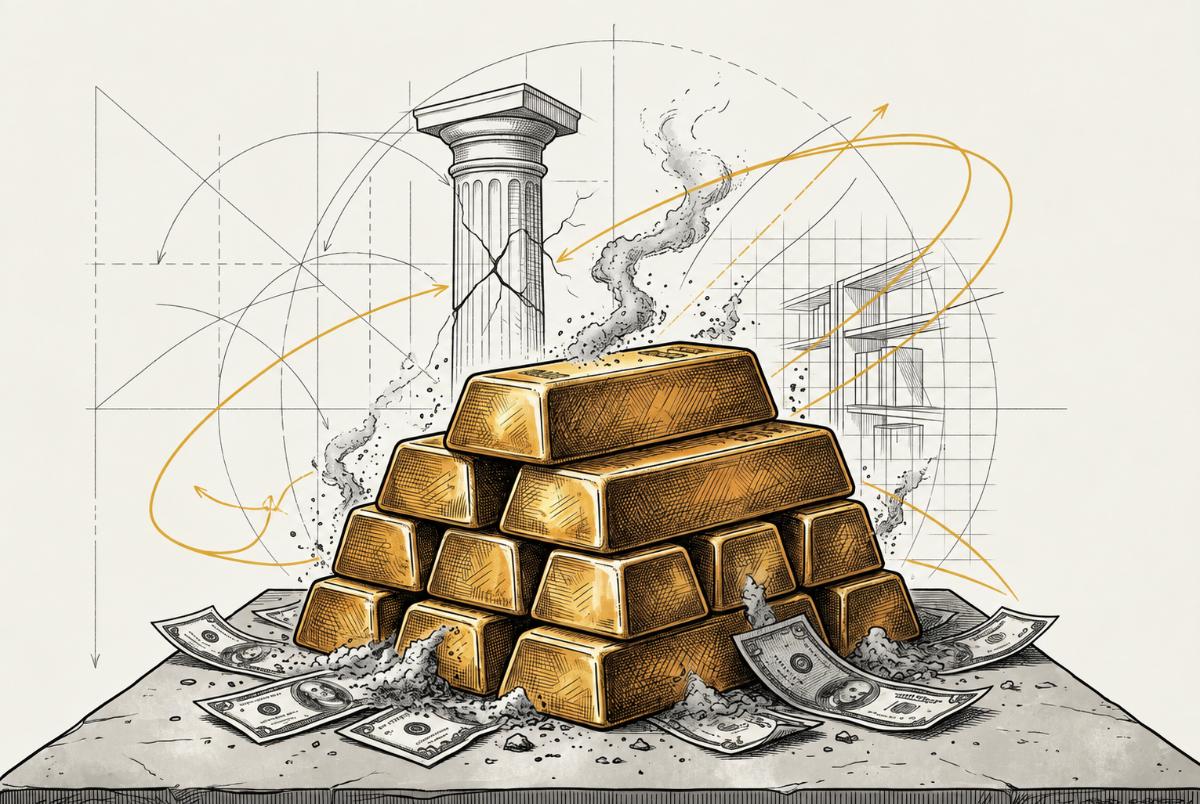
Friday marked another large shift as traders fully pulled the plug on any hopes of cuts. Metals, bonds, and stocks all took significant hits, with gold falling below $4,700 and silver dropping to $72 - putting a swift end to their year-long rallies. The flight-to-safety trade not only failed to materialise but backfired, as the hawkish repricing hit both gold and bonds particularly hard. Cryptocurrencies, however, showed surprising resilience throughout the week and could be poised for outperformance ahead.
Looking ahead
A quieter week for central banking, but CB speeches will be key to gauging who has truly turned the page on cuts. Tuesday's PMIs across Europe and the US will test growth expectations, while UK CPI/PPI on Wednesday could anchor or delay a BoE hike. Australian CPI will shape RBA expectations after this week's hike to 4.10%, and Fed speakers (Barr, Miran, Jefferson, Paulson, Logan) will clarify where FOMC voters stand.
Oil remains the single most important variable. If crude stabilises and war developments trend positively, markets may find room to recover. But any renewed Strait of Hormuz escalation could quickly revive stagflation fears.
.png)